

I’m Stephen. I have worked in website optimization for more than 20 years, helping organizations improve how their websites perform for people, search systems, and the technologies that retrieve and interpret information.
My work began before Google was publicly available and has continued through major changes in search, publishing systems, accessibility, website architecture, and AI-assisted retrieval. The tools have changed considerably. The underlying work still depends on understanding websites, recognizing problems, and knowing how to improve the relationships between technology, information, and human use.
How I approach optimization
I approach optimization as the improvement of a whole information environment, not simply an effort to place keywords on individual pages.
A website must be technically understandable, accessible to the people who need it, maintainable by the organization responsible for it, and clear about the relationships between its information. Search visibility can emerge from that work, but visibility alone does not make a website useful.
Depending on the project, my work may include:
- web development and design
- technical optimization and website quality assurance;
- information architecture, navigation, and internal linking;
- website accessibility, including experience with Section 508 requirements;
- content gap analysis and editorial planning;
- on-site and off-site optimization;
- Google Analytics, Search Console, Lighthouse, and related diagnostic tools;
- optimization for search results, maps, images, video, and other retrieval surfaces;
- text, image, PDF, audio, and video optimization;
- WordPress development, publishing, and maintenance;
- dynamic websites containing hundreds, thousands, or millions of pages; and
- pre-launch planning for new businesses, websites, and applications.
I do not apply every possible technique to every website. The work begins by understanding what the property is, how it is built, who needs it, and where meaningful improvement is possible.
That may involve correcting a technical obstacle, reorganizing information, helping a business explain itself, improving an existing body of content, or identifying an opportunity that was not visible from inside the organization.
Human-guided content production
I design and operate AI-assisted publishing workflows that can produce substantial, semantically structured website content at unusually high rates while preserving human editorial judgment.
The workflow can move prepared material from working context to a complete HTML draft within minutes. I remain responsible for direction, review, website integration, and publication. This is not unattended bulk generation. It is a governed production process developed through sustained use across hundreds of substantial pages.
The resulting material may include evergreen articles, technical references, definitions, service information, regional pages, supporting blurbs, or curated content neighborhoods. The form follows the website’s information needs rather than a fixed word count or publishing quota.
See Human-Guided Content Production for a fuller explanation of the method, its uses, and its boundaries.
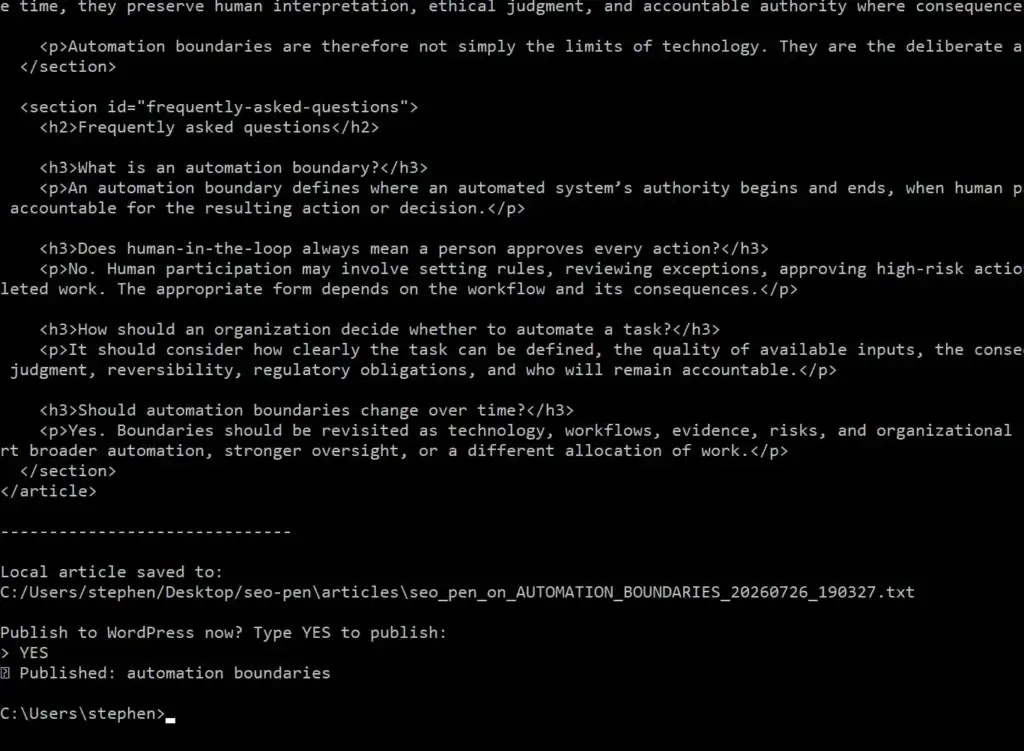
Here is an example of a document composed and published through this workflow: Automation Boundaries: Designing Responsible Transitions Between Human Judgment and Automation.
Optimization experience
I began optimizing my own websites before search engine optimization was commonly offered as a professional service. Since then, I have worked with small local businesses, national organizations, custom publishing systems, large dynamic websites, and people developing their first serious online presence.
My experience includes:
- more than 10 years as a Director of SEO;
- technical evaluation and implementation planning;
- website accessibility and quality assurance;
- organic content planning and management;
- coordination with developers, designers, writers, artists, executives, and business owners;
- large-scale website and content architecture;
- new website launches, migrations, redesigns, and recovery work;
- analysis of organic visibility, traffic behavior, and conversion opportunities; and
- direct construction and improvement of public-facing website content.
I have worked on conventional WordPress websites, custom content management systems, large publishing platforms, and properties containing very different kinds of information. The implementation changes, but the recurring responsibility is the same: understand what is happening, determine what deserves improvement, and communicate the necessary work clearly enough for people with different roles to act on it.
Roles and collaboration
Optimization frequently crosses organizational boundaries. A technical problem may affect editorial work. A navigation decision may affect accessibility, search visibility, and development. A content opportunity may reveal that the business has not yet clearly described one of its own services.
I have worked in several overlapping roles:
- Consultant: Developing optimization strategies, explaining evidence, and helping stakeholders decide what to do next.
- Technical specialist: Evaluating websites and working with developers to implement structural, performance, rendering, and indexing improvements.
- Organic content manager: Guiding writers and digital artists while connecting individual assignments to broader website goals.
- SEO director: Coordinating engineering, content, design, and business priorities across large website environments.
- Direct producer: Building, editing, structuring, linking, and publishing information myself when that is the clearest path forward.
I am comfortable speaking with developers about HTML, rendering, structured data, accessibility, and system behavior while also explaining the same decision to a founder or business owner in practical terms. The point is not to make the work sound complicated. It is to preserve enough of the real problem that each person can understand their part of the solution.
I also built hundreds—possibly thousands—of baseball card sets while working in a card shop at approximately 13 years old. I cannot produce documentation, but the experience was formative.
Evidence and examples
Most Recent Work
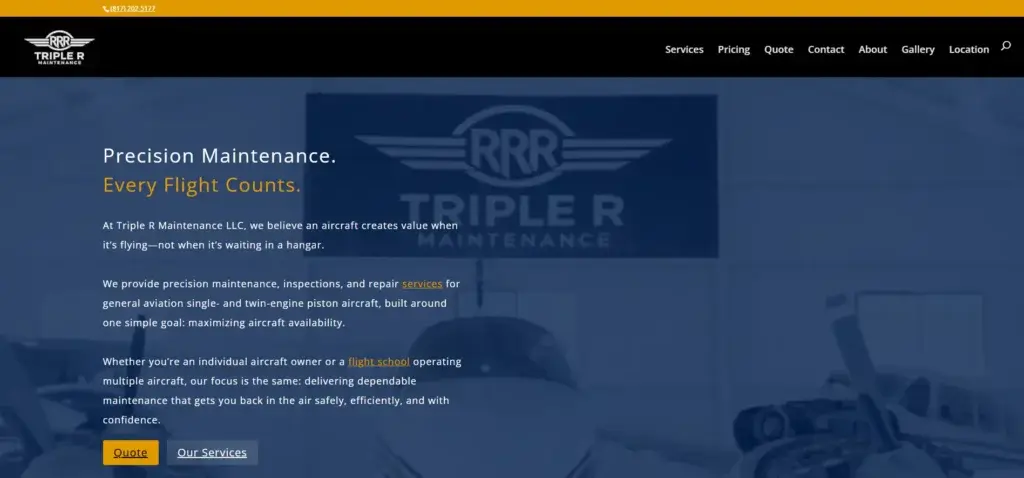
Triple R Maintenance LLC – I brought Michael’s original screenshot designs to the web. I love this website but I can’t claim this layout unfortunately 🙂 But I can take some credit for this:
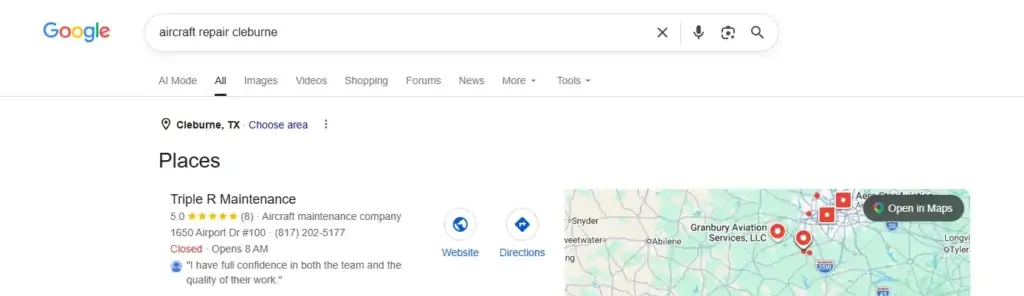
I continue to work on Triple R Maintenance, expanding the knowledge graph and refining the architecture.
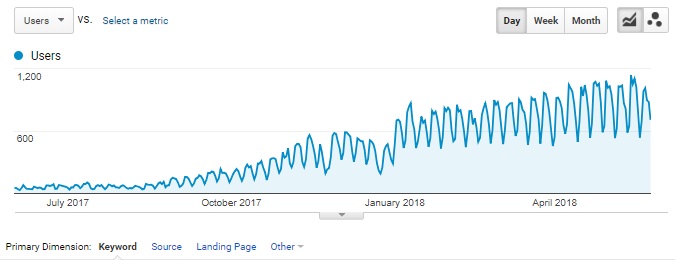
Optimization results should be evaluated in context. Traffic growth, rankings, visibility, engagement, leads, revenue, and technical improvements can each provide useful evidence, but no single measurement explains an entire website.
The following image shows organic growth from a property I optimized:
More information:

No transformers were harmed during the creation of this page.